Leaderboard

Popular Content
Showing content with the highest reputation since 07/01/2026 in Posts
-
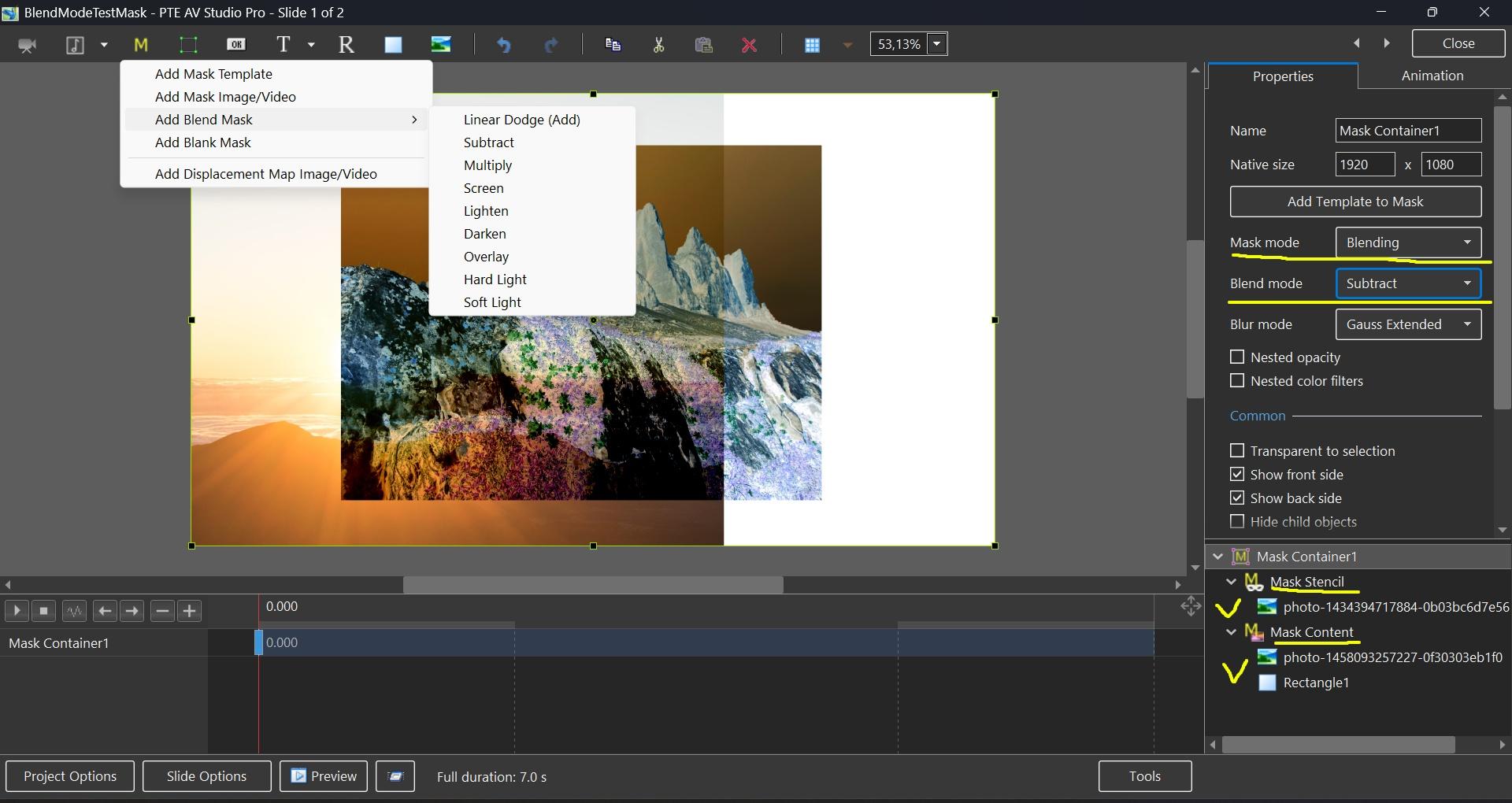
Hi everybody, The idea of the Slideshow was the illustration one of the new PTE V.12 feature-Blending Modes. This is basically variations of the one Style--Screen Blending Mode. The set of pictures placed in the Stencil Container and the Background Composition-in the Mask Content. There's some whistles and bells here and there also to make it looks more cinematic. To my mind, of course. If you like it--there's The Link. Just replace the files marked "Replace Me" with yours Media. Best Alex558 points
-
15 transitions with camera sound, for this new version of PTE V 12, I hope you like it. Download: https://javier-pteavstudio.blogspot.com/6 points
-
The Online Help for Version 12 has been updated in line with the "What's New in Version 12" posted by Igor: https://docs.pteavstudio.com/en-us/12.0/v12_wn/main Links have been added to each paragraph as appropriate. There is obviously more work to do but the OH is an ongoing and evolving document and if anyone wishes to contribute it will be hugely appreciated by the PTE community. "How to" articles are largely driven by Forum Posts for which there is no obvious answer in the OH and these will continue to be added when they arise. DG6 points
-
Hi, Release Candidate 1 for PTE AV Studio 12 is available today, and the final version is scheduled for release within a week. P.S. Today marks exactly 27 years since the release of version 1.0 on July 2nd, 1999.6 points
-
Igor has asked me to post a link to my new AV sequence. The background is that my AV Group had a challenge to produce a new sequence using some form of AI, either images, video or audio. I decided to make one about Yuri Gagarin's pioneering space flight in 1961. Very few images exist of this, so the use of AI was a good option to re-imagine the story. See what you think:5 points
-
Hello everyone! My vacation season is almost here, and I've already dipped my toes in the water... Good vacation !!! https://javier-pteavstudio.blogspot.com/4 points
-
Hi, We're glad to introduce a new PTE AV Studio 12 - a powerful software for photo slideshows and AV shows. What's New in version 12 The new version includes many improvements, new effects and creative possibilities: - Blending Modes (Multiply, Screen, Overlay, and more) - Video Speed Control and Slow-Motion with frame interpolation - Sound Object and built-in Sound Library - Export Vertical and Square Video for YouTube Shorts and other social media - New AV1 Video Encoder - HEIC Image Support for iPhone photos on Windows - Improved Chroma Key for Video Clips - New Dynamic Gradient Map effect in the Mask container - Quick Search in styles and transitions. New built-in slide styles and transitions And more. Read a full list of new features: https://wnsoft.com/pte-av-studio/whats-new-12/ Download for Windows and Mac: https://www.wnsoft.com/pte-av-studio/download/ Prices and Editions There are two versions: - PTE AV Studio 12 Pro - 145 EUR (VAT is included) - PTE AV Studio 12 - 74 EUR (VAT is included) Buy full version: https://www.wnsoft.com/pte-av-studio/buy/ Upgrades Upgrade from PTE AV Studio 10 or 11 Pro to PTE AV Studio 12 Pro - 48 EUR (incl. VAT) Upgrade from PTE AV Studio 10 or 11 to PTE AV Studio 12 - 35 EUR (incl. VAT) I hope that you will enjoy using the new PTE AV Studio 12! Thank you very much for your support and help with Beta testing! P.S. You can still find the Beta discussion here4 points
-
voici mon premier diaporama avec le logiciel PTE 11 "Here is my first slideshow using PTE 11 software." (Google Translate)4 points
-
We plan to release the final version 12.0 on Monday or Tuesday next week.4 points
-
Hi everybody, I 've built my first Project using PTE AV Studio V. 12.1 recently. Here's a short summary. Overall the App fills much more responsive. The export movie render time is decreases significantly. Finally we got rid of that pesky problem locating same file in different locations. .That's great! Blend Mode works wonderfully to me, opening much more possibilities . The creating backup project takes less time. The only one problem I've found so far was randomly unresponsive timeline head while Stop and Go playing the timeline. While manual scrubbing the timeline goes smoothly. I still run Quad core on Win7, so that's might be the reason. I'd appreciate if someone try to feedback me. I think the Team made a great job on keeping move this great App ahead of competitors. Thank you! Alex553 points
-
Thanks everyone for your kind words. Did anyone notice that the man with the clipboard in the Baikonur control room looks familiar....? Ian3 points
-
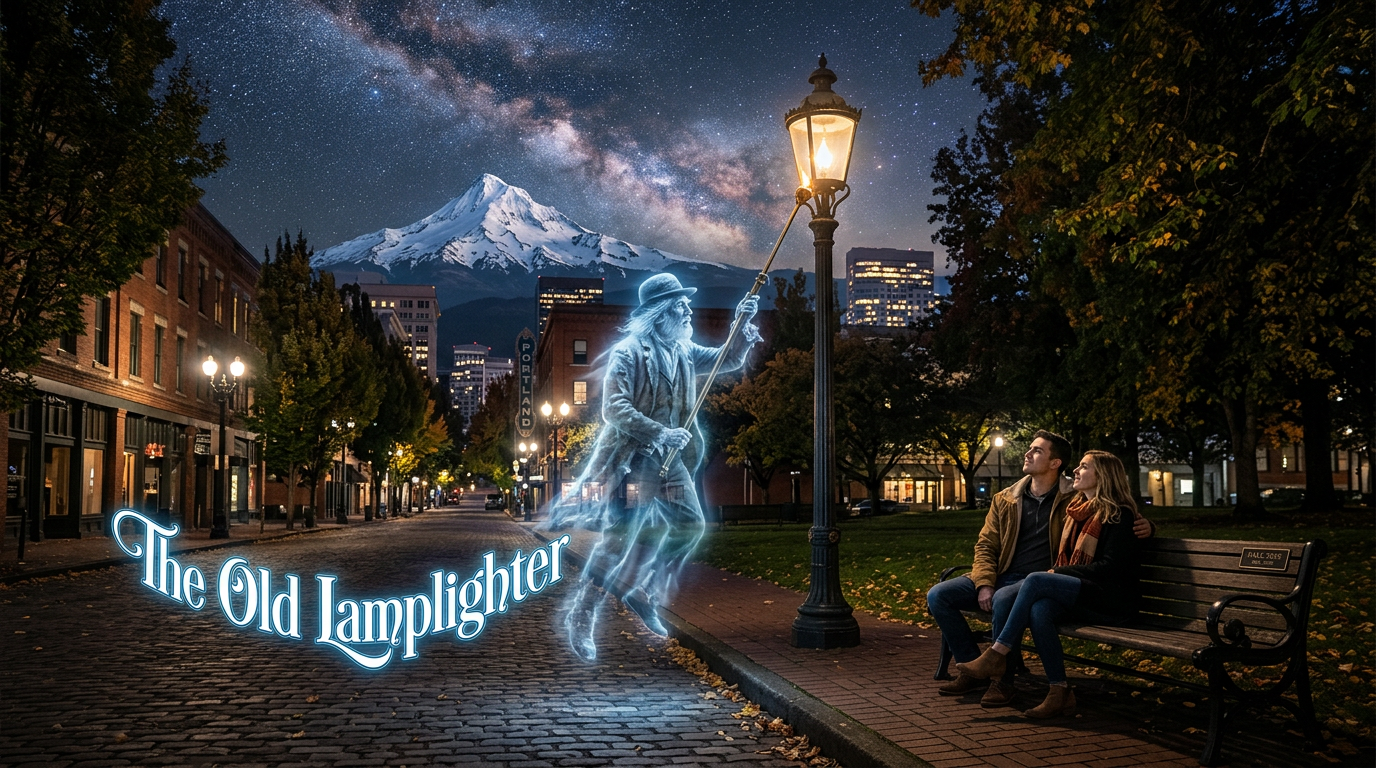
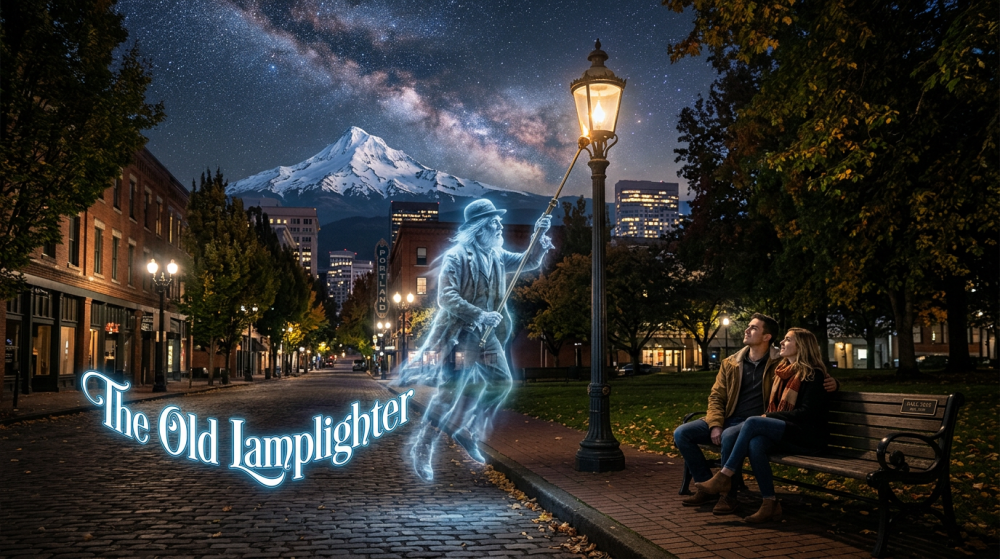
The Old Lamplighter Show, AI Or???? I'll Never Tell..... Hope you enjoy the show. Here is the web links to my web site: The Old Lamplighter Show. The Old Lamplighter Show: https://www.pnwhiker.org/LampLighter/LampLighterShow.htm
 3 points
 -
It would be great if you could get Barry Beckham to make some Tutorial videos for this new release!3 points
-
Hola chanfi22 Gracias por avisarme. Hice la copia de seguridad como siempre. Usé esos cuatro archivos de una plantilla que ya estaba instalada en PTE. Hice otra copia, pero el problema persiste. Lo comentaré con Igor. Los agregué manualmente. Si pudieras verificar que no haya otros problemas, te lo agradecería.2 points
-
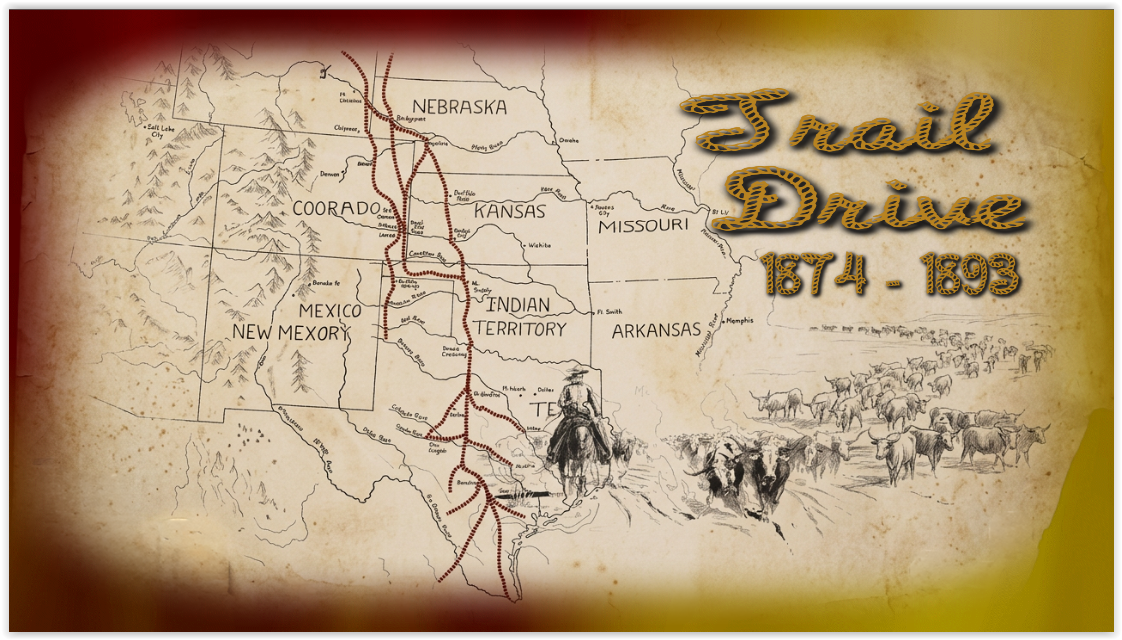
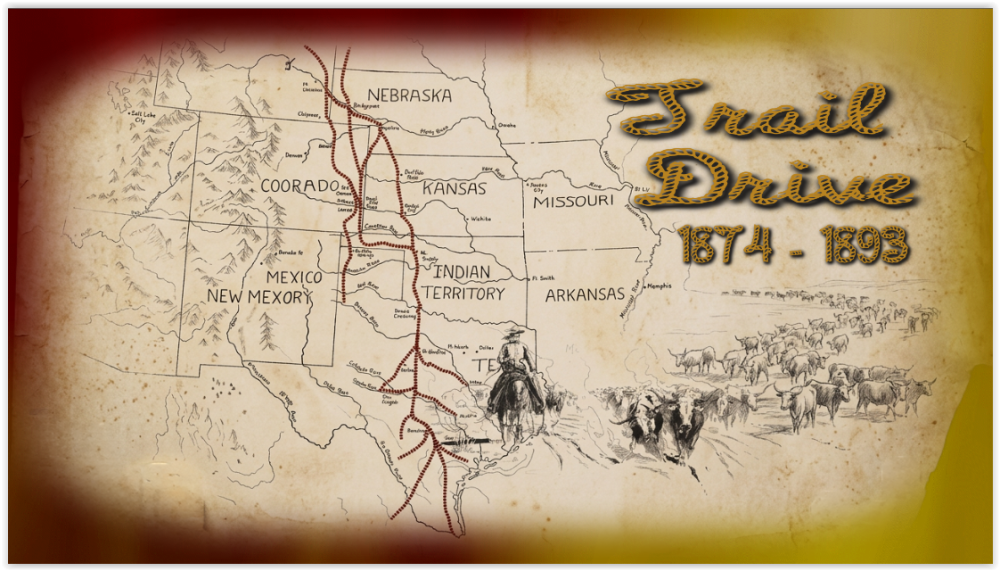
Trail Drive From 1874 - 1893, Hope you enjoy the show. Here is the web link to my web site: Trail Drive From 1874 - 1893 Show. Trail Drive From 1874 - 1893 Show Link: https://www.pnwhiker.org/TrailDrive/TrailDriveShow.htm
 2 points
 -
Good evening everyone. Is it possible to enlarge the keyframe bar in the O&A (Objects and Animation) section of PTE PRO 12 so that I can better see the spacing between keyframes when they are very close together? For example, five transition points spaced just one or two hundredths of a second apart. Unfortunately, my eye sight isn't what it used to be. Thanks in advance for your replies. Ale53.2 points
-
This is something that has been asked for, but currently not possible, I have the same problem with eyesight. One option if you work with 2 monitors is to drag the window out across both monitors. This does help a bit. Using the arrow keys to tab between the KeyFrames can also be useful, rather than trying to drag with the mouse. Jill2 points
-
This is the same video with 2 different edits to show how you can reframe a 360 degree video after capture.. It needs to be edited in special software provided by the drone company.2 points
-
2 points
-
Hello forum, here is the slideshow reworked in English about the garden of Carmen del Campillo in Crevillente province of Alicante in Spain2 points
-
Hi, In PTE AV Studio 12, we fully rewrote the interpolation algorithm between keyframes - it has greatly improved the smoothness of speed modifiers over long time intervals. For example, if you use a speed modifier ("Smooth") to create a long panorama (20 seconds) with a fast pace of movement, V12 demonstrates a smoother beginning and ending for the animation than V11. At slow panning speeds, there is no noticeable difference between V11 and V12. LongPanorama.zip2 points
-
Hi, We're releasing PTE AV Studio 12 for all users on Windows and macOS: https://www.pteavstudio.com/forums/topic/55186-pte-av-studio-120/ It's the same build as Release Candidate 2, published last Friday. Thank you very much for your help with testing the Beta version!2 points
-
Happy birthday, my beloved PTE! Wishing you long life and prosperity!2 points
-
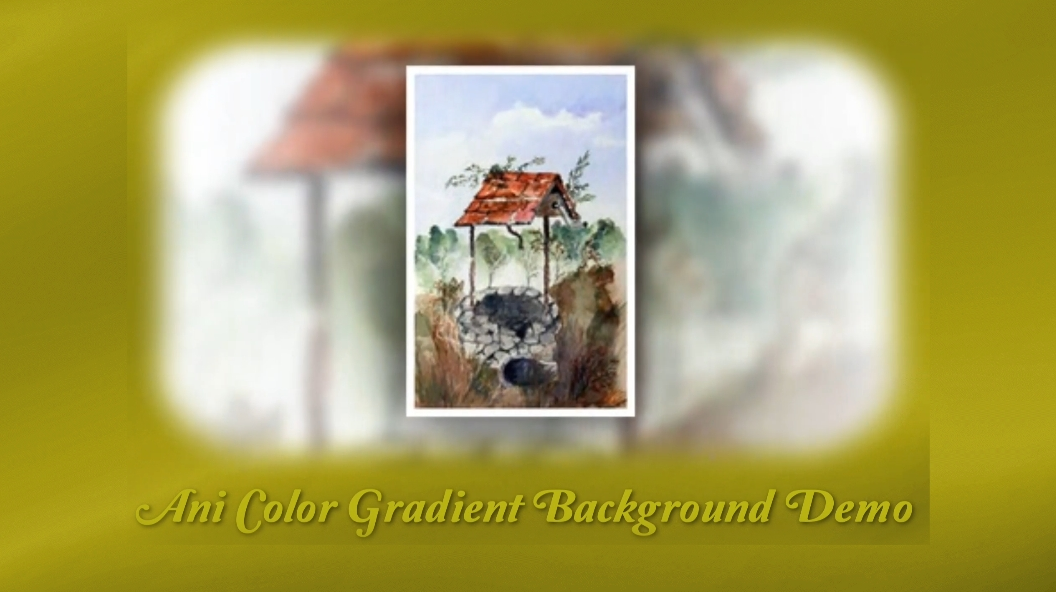
Ani Color Gradient Backgrounds Free Downloads, No Strings Attached FYI: Not looking for your Gold, just hoping you can use them. Free just what the word means, no BS., no log in's or any other jazz required. Here is the web links to my web site: These Files are in Zip Format. VR Color Gradient Backgrounds Demo: https://www.pnwhiker.org/Aniclrbkgs/AniColorGradientBackgroundsDemo.htm VR Color Gradient Backgrounds Zip File: https://www.pnwhiker.org/Aniclrbkgs/zip/AniColorGradientBackgroundsZips.htm Note: These Gif's will loop endlessly no matter the time length of the clip.
 2 points
 -
Hi, We plan to release the final version 12.0 in a week. Now we're updating the translations of the interface into other languages.2 points
-
In the warmth of a mid-afternoon sun, aplatypus glides effortlessly through a creek in northern New South Wales. Barely disturbing the mirrored surface, it weaves between submerged branches and over sandy shallows, its sleek brown fur glistening whenever it rises for a quiet breath. Shafts of sunlight dance across the water as dragonflies skim the surface and a kingfisher waits patiently from an overhanging tree. or a few precious moments, the ancient monotreme has the creek entirely to itself. Unhurried and perfectly at home, it searches the muddy bed with its remarkably sensitive bill before disappearing beneath the amber water once more. It is a fleeting encounter, but one that serves as a gentle reminder that some of Australia's greatest natural treasures are found not in grand landscapes, but in the quiet creeks that continue to shelter wildlife much as they have for millions of years. Ironcally, ornithorhynchus was one of the longest words I learnt to spell in school over 50 years ago. Made in PTE V11 and captured on Monday afternoon after the previous drone lighthouse video was captured in the morning. Some days are diamonds and some days are gold.2 points
-
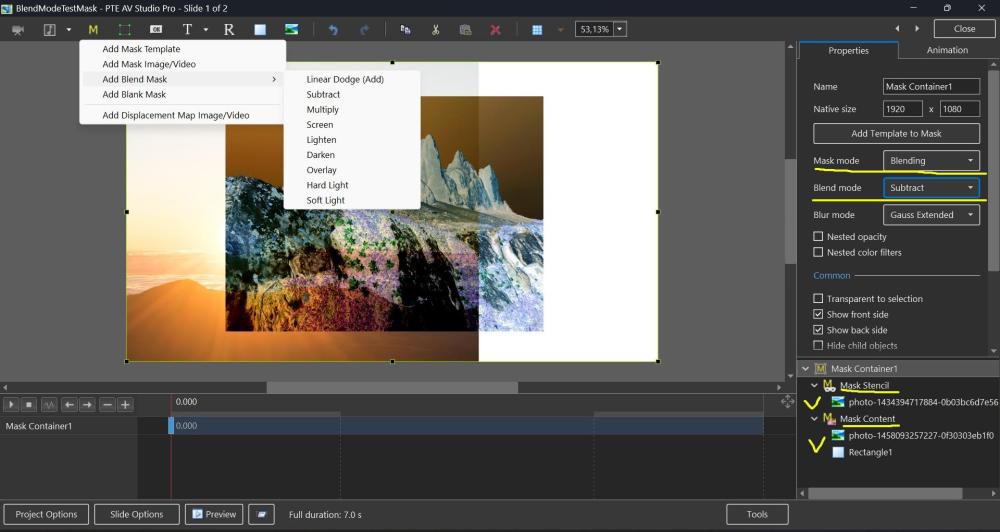
Hi, In PTE AV Studio 12 we've added a new "Blending" mode to the Mask container with support for 9 blend operations: Linear Dodge (Add), Subtract, Multiply, Screen, Lighten, Darken, Overlay, Hard Light, and Soft Light. To use: place the first image into the Stencil, and the second image into the Content of the Mask container. You can add video, text object, rectangle object, or multiple objects (several images, for example). Watch a video example. Click the play button: BlendMode.mp4 BlendMode.zip
 2 points
 -
Some photographers will walk a kilometre to a carefully planned location 4.5 kilometres from the Byron Lighthouse, then wait 45 minutes for the Moon to rise perfectly behind it—because apparently disappointment needs good composition too. Right on cue, the clouds staged a flawless photobomb, hiding the Moon at the exact moment of truth. Then, just as surrender seemed the only sensible exposure setting, the Moon popped above the clouds and lit them up brilliantly, proving Mother Nature enjoys delivering punchlines more than photographers enjoy sticking to the plan. Made into a timelapse style with PTE.1 point
-
Glad you have solved it. Problems like that are always tricky. Jill1 point
-
Have you tried the keyframe navigation arrows? https://docs.pteavstudio.com/en-us/12.0/objectsandanimation_1/managing_key_frames#navigate_key_frames DG1 point
-
A short AV made of images after a visit to Whian Whian Falls last week. A simple dissolve of images from the top of the falls. This is another version of the same images using the Camera 2 Template provided by jienense. I made some changes to the end and although it was meant to show the 15 different camera captures, I useed the complete series in this instance. Using shared tmplates does help with my learning as I re-engineer/design the template even with the different language barrier. thanks for sharing. Mark1 point
-
Very interesting and well done! Great use of AI. Yuri Gagarin is also commemorated on the wall of a subway station in Tashkent, Uzbekistan dedicated to the cosmonauts (built when the USSR still existed).1 point
-
I check the "Transitions" project option and see that only "Fade" is selected. I select a slide on the timeline. I click "Configure Slide" and choose a custom transition. I click "Manage Transitions" and then "Change Transition Settings." I make a modification or simply duplicate an option. I confirm the change and confirm the transition. I check the project options: everything looks normal (OK). Now, I go back to the transition I just set up and decide to switch to a standard "Fade" transition instead. When I check the "Transitions" project option again, the custom transition I had modified is selected. Even if I uncheck it, it remains selected. I have to restart the project in PTE 11 to fix the issue. PS: The same thing happens if I create a new transition. PTE 12.01 Windows 11 Thanks. Roan1 point
-
Tanks for replay. I imagined as much.1 point
-
Hi Igor, I just tested build 3. Everything is working well. Good job. Thanks. Roan1 point
-
We fixed this issue. Try the new v12.0.1 Build 3: PC: https://files.wnsoft.com/test/pteavstudio-setup.exe Mac: https://files.wnsoft.com/test/PTE-AV-Studio.dmg1 point
-
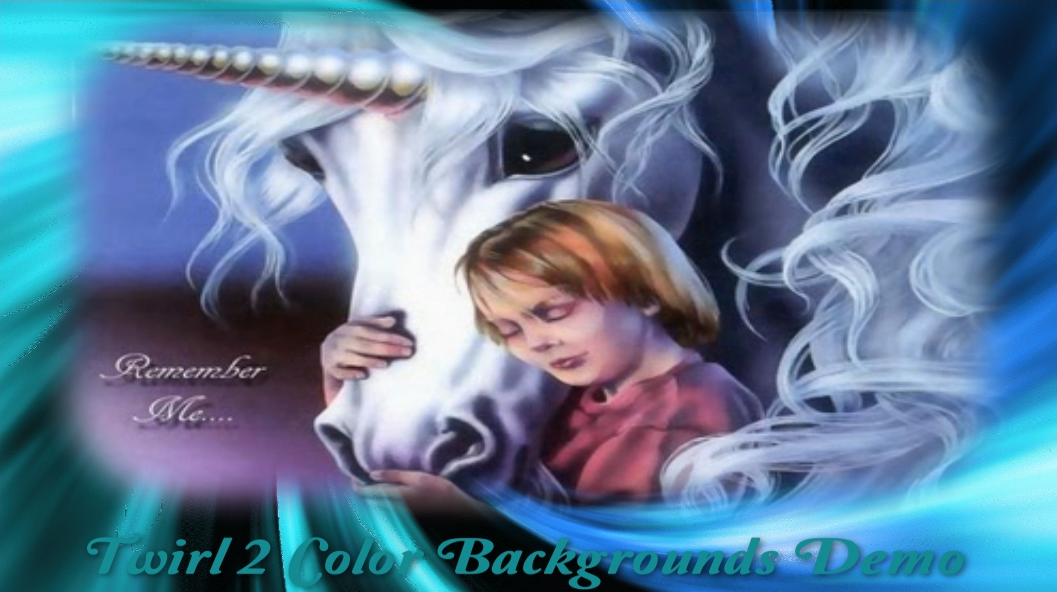
Twirl 2 Color Backgrounds Free Downloads, No Strings Attached Here is the web links to my web site: These Twirl 2 Color Backgrounds Files are in Zip Format. Twirl 2 Color Backgrounds Demo: https://www.pnwhiker.org/Twirl2ClrBkg/Twirl2ColorBackgroundsDemo.htm Twirl 2 Color Backgrounds Zips: https://www.pnwhiker.org/Twirl2ClrBkg/Zips/Twirl2ColorBackgroundsZips.htm
 1 point
 -
I enjoyed your voice over and accent as much as the visuals 😊 Kieron1 point
-
Thanks for the reply Igor. It is a head scratcher as I do not use an antivirus on this particular machine. It is an extremely fast and high end build and everything loads quickly on a Samsung 9100 PRO Series - 1TB PCIe 5.0 x4, NVMe 2.0, M.2 Internal SSD The files are stored on another M.2 internal drive . For a full day it would not work and I believe the cache files were corrupted as it showed the audio with all adjustment but green error It now works like a charm so I will wait and see. Really enjoying version 12 as my housekeeping on previous shows was was not the best. The Create Backup in ZIP command now correctly handles projects with multiple files that share the same name in different folders. I do large productions so the added support above 2GB is most welcomed. So many things that make this a worthwhile upgrade. Thank you Kieron1 point
-
Kieron, thanks, I've updated the link. Try again.1 point
-
The first video shows a timelapse from a recent photography workshop and a few images produced at the workshop. The second video shows the same series of images from the workshop made into an AV. Mark1 point
-
Hi Rosemary, Please read the 11 mini tutorials for all the new major features in PTE AV Studio 12: Every publication tells about a new feature, includes screenshots or a video demonstration, and sample projects: https://www.pteavstudio.com/forums/tags/new feature/ 2. The online help has updated articles for new features: https://docs.pteavstudio.com/en-us/12.0/v12_wn/main 3. Also read the What's New page on our website: https://www.wnsoft.com/en/pte-av-studio/whats-new-12/ It tells about new features and includes screenshots and video demonstrations.1 point
-
A series of 89 consecutive images taken at a recent portrait workshop. A lot of technical and challenging issues in creating this AV that I have learnt from as a result of a spur-of-the-moment idea. If I get the opportunity again in the future, I would use a tripod, get better practice of the step and use different lighting and camera capture settings. Nevertheless, happy with the result.1 point
-
Updated version of PTE AV Studio 12.0.1 is available for PC and Mac Download: https://www.wnsoft.com/pte-av-studio/download/ Fixed an issue where some slide styles could not be applied to slides. Fixed the video file extension not updating correctly in the Save File dialog after changing the export format (between MP4 and AV1). About window shows: 12.0.1 Build 1.1 point
-
Trés pour votre diaporama avec le logiciel PTE 111 point
-
Hi Igor Thank you and your team for a wonderful program and like Kieron said hours and hours of fun and looking forward to the next Pro version . Michael1 point
-
Happy July Everyone, Here's a fun track from my Jazz/Big Band page...now in higher-quality Ogg format: "SLAPSTICK" (Looping) Yo can listen to it here: https://soundimage.org/wp-content/uploads/2026/07/Slapstick.ogg There's also a LoFi version...you can listen to that one here: https://soundimage.org/wp-content/uploads/2026/07/Slapstick_LoFi.ogg LoFi tracks are useful if you need the music to sound like it's playing over an old transistor radio, tv, etc. Both tracks can be downloaded here: https://soundimage.org/jazz-big-band/ As always, they're 100% free to use with attribution, just like my thousands of other music tracks and sounds. WHAT'S THE BIG DEAL ABOUT OGG TRACKS? For those of you who don't know, Ogg tracks loop much better in game engines, as opposed to Mp3 tracks. Mp3 encoding will often discard music information at the end of a track. This creates an audible gap when the track reaches the end and loops to start over. Ogg encoding doesn't discard any information, hence no gap and perfect looping. For tracks that don't need to loop, Mp3 works just fine, but definitely go with Ogg for looping. Plus Ogg encoding is higher fidelity so Ogg music tracks sound richer and more full. Anyhow, if you're interested in downloading all my game music tracks at once (instead of one track at a time from my website) my Ogg Game Music Mega Pack is a huge time-saver. Plus it's a cool way to support my efforts. Here's a link: https://soundimage.gumroad.com/l/ylyre There's even a preview video you can watch if you'd like...or maybe listen to while doing other things...(it runs about an hour.) An of course, if you need some custom music created special for your project, just let me know. My contact information is here: https://soundimage.org/custom-work/ Until then, enjoy, stay safe and keep being creative! 🙂1 point
-
Hi John, Here's a link to The Dom photo album. The product costs about 20 €. I bought one myself and am very happy with it. Maybe this will be helpful to you. https://thedom.gumroad.com/l/kLjsfG?layout=profile Best regards1 point
-
Here's an extremely simple Style showing two different ways of applying a Style and determining the order of objects appearing. 1. In a 16/9 Project add 4 images to the slide list. Their order in the slide list will determine the order in which they appear. Highlight all 4 and apply the Style. The Style creates 3 slides - slides 1 and 3 can be deleted. 2. In a 16/9 project, create a blank slide and add 4 Images to it in O&A. Use the "Main Object" to number each image in the order (1 to 4) that you want them to appear. Apply the Style. The Style creates 3 slides - slides 1 and 3 can be deleted. Demo Style - Object Numbering.ptestyle For demo purposes only.1 point
-
Hi, In PTE AV Studio 12 hold the Shift key while dragging a sound volume keypoint in the Timeline to adjust it with finer precision - the keypoint moves 3x slower than your mouse cursor, giving you 3x better accuracy when fine-tuning the value. Watch a video demonstration. Click the play button: audio-keypoints-with-shift-key.mp41 point